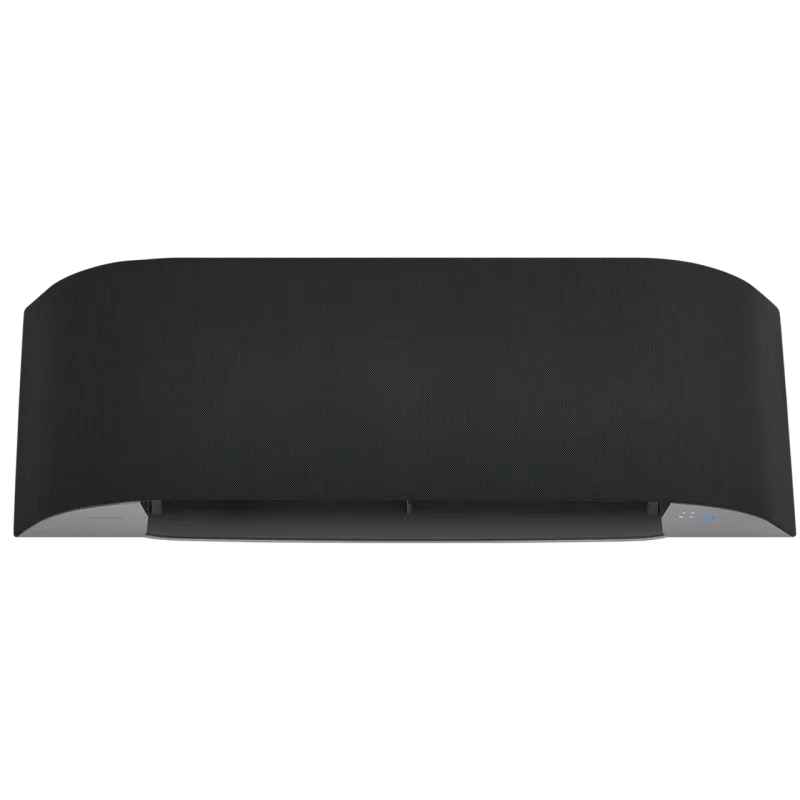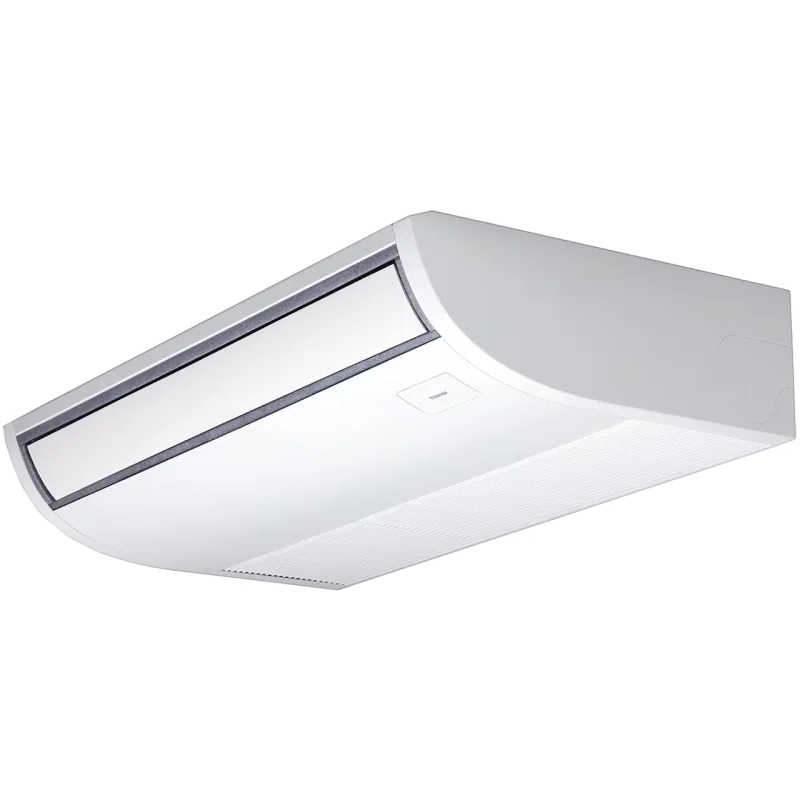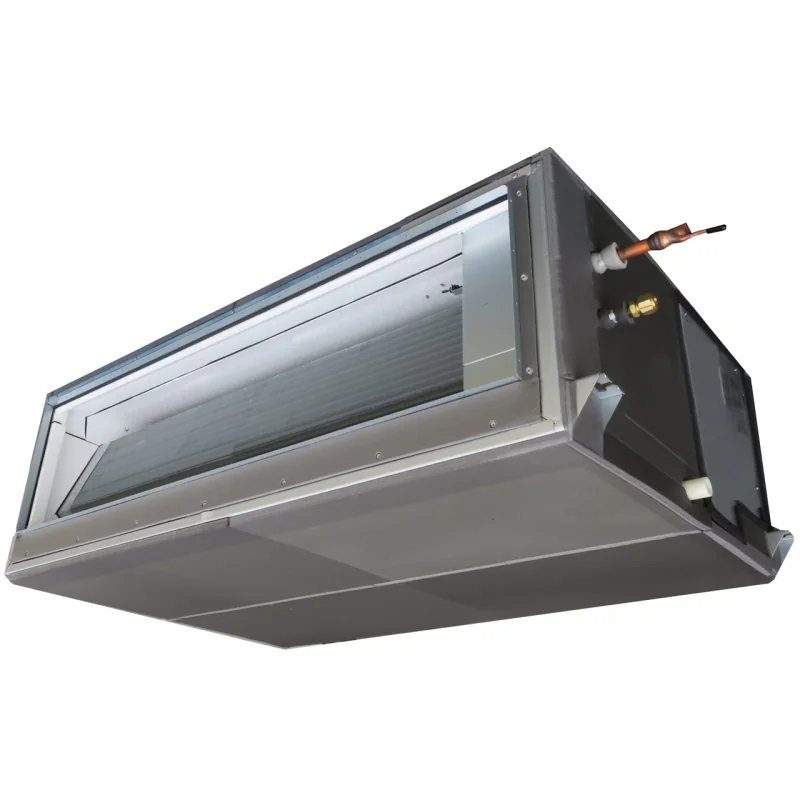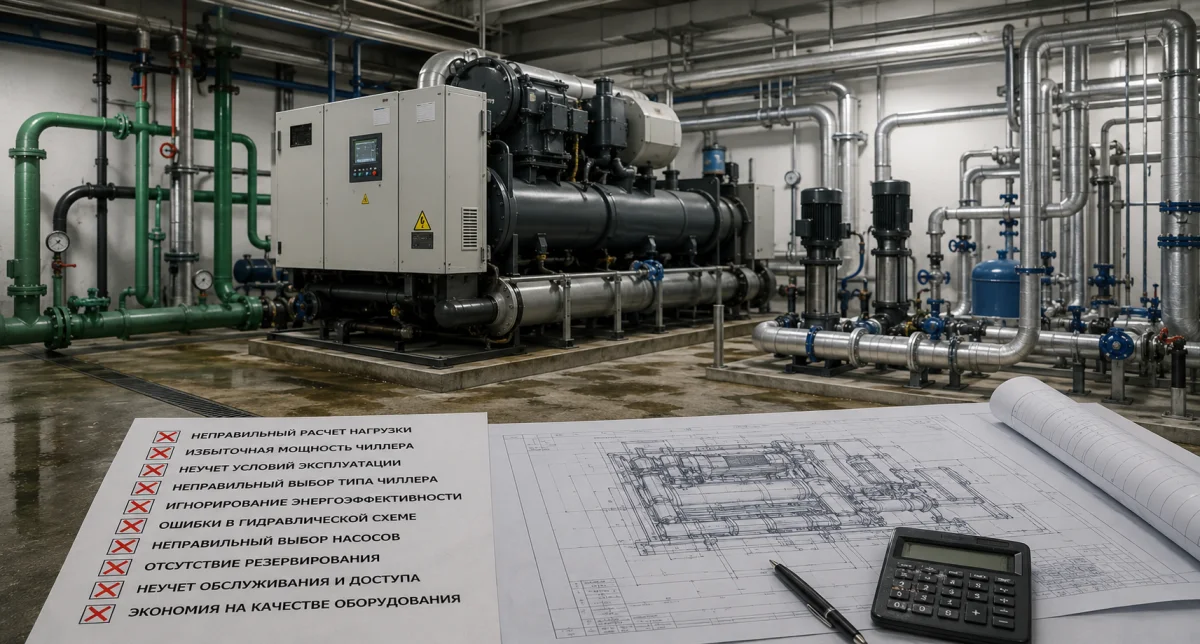
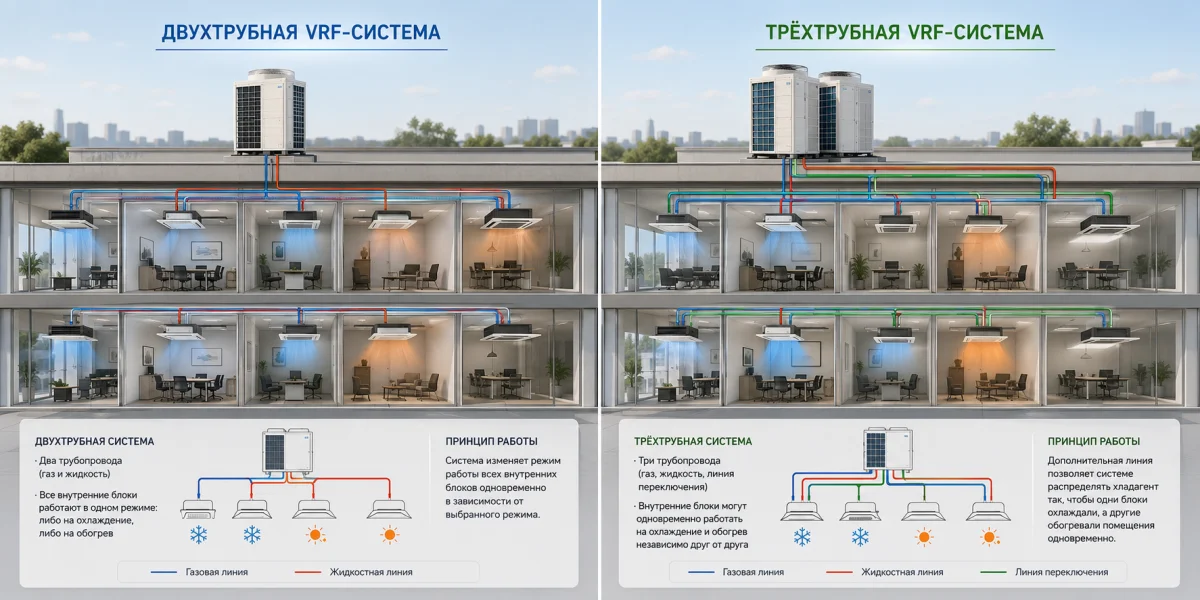
Two-pipe and three-pipe VRF are the two main ways to arrange a multi-zone refrigerant system. The indoor and outdoor units may appear similar, but the piping layout and operating logic are different. The key question is whether some zones must cool while others heat at the same time.
A two-pipe system is simpler and less expensive. All indoor units connected to one refrigerant circuit operate in either cooling or heating mode. A three-pipe system is more complex but supports independent zone operation and heat recovery.
How a two-pipe VRF system works
Two refrigerant lines connect the outdoor and indoor units. The outdoor unit switches the complete circuit between cooling and heating. Indoor units may use different setpoints and fan speeds, but they cannot operate in the opposite mode from the rest of the system.
How a three-pipe VRF system works
A three-pipe VRF system uses liquid, high-pressure gas and low-pressure gas lines. Branch selector units route refrigerant to each zone. Some indoor units can cool while others heat, transferring energy between rooms.
Simultaneous cooling and heating
Simultaneous cooling and heating are useful where façade orientation and internal gains differ. Sunny rooms may require cooling while shaded rooms need heat. A two-pipe circuit cannot satisfy both requests, while a three-pipe system can.
VRF heat recovery
VRF heat recovery transfers thermal energy between building zones instead of rejecting all heat outdoors. Heat removed from one room can be used to warm another. This is why three-pipe systems are commonly described as Heat Recovery VRF.
The greatest benefit occurs when cooling and heating loads exist simultaneously and partly balance each other. If the entire building operates in only one mode, there is little or no internal heat transfer.
Heat Recovery VRF
Heat Recovery VRF uses branch selector units to control indoor-unit groups. Their location affects piping length, sound, maintenance access and installation cost.
Main differences
| Parameter | Two-pipe VRF | Three-pipe VRF |
|---|---|---|
| Main refrigerant lines | Two | Three |
| Indoor-unit mode | Common system mode | Independent by zone |
| Simultaneous cooling and heating | No | Yes |
| Heat recovery | No | Yes |
| Installation complexity | Lower | Higher |
| Initial cost | Lower | Higher |
Advantages of two-pipe VRF
- fewer refrigerant pipes and joints;
- simpler design and installation;
- lower initial cost;
- fewer selector modules;
- good suitability for buildings with one seasonal mode.
Two-pipe VRF works well in shops, schools, administrative buildings and offices where most spaces normally require the same mode.
Limitations of two-pipe systems
The main limitation is the common operating mode. During spring and autumn, zones may request opposite conditions. Majority-based automatic changeover does not remove the conflict because units requesting the other mode must wait.
Advantages of three-pipe VRF
- independent zone operating modes;
- heat transfer between cooling and heating zones;
- greater comfort during transitional seasons;
- good suitability for complex load profiles;
- reduced outdoor-unit load when heating and cooling occur together.
A heat recovery VRF system is especially useful in hotels, multi-tenant offices, server-supported buildings and properties with several façade orientations.
Limitations of three-pipe systems
Three-pipe systems cost more and require additional piping, selector units and ceiling space. Pipe lengths and elevation differences must be checked carefully, and branch modules must remain accessible for diagnosis and replacement.
Energy efficiency
A three-pipe system is not automatically more efficient in every building. Its main energy advantage appears when simultaneous heating and cooling loads are sustained. The more heat that can be transferred internally, the less energy the outdoor unit needs to exchange with outside air.
If the building operates in one mode for most of the year, the extra investment in heat recovery may have a long payback. Annual load analysis is more useful than comparison at one design point.
Design implications
The designer identifies zones with opposite loads, branch selector locations, pipe lengths, elevation differences and permitted unit combinations. Working drawings should identify pipe diameters, line functions, refrigerant charge and pressure-testing requirements.
How to choose between the two systems
Selection should begin with an annual load profile rather than the number of pipes. The designer compares façade orientation, occupancy, internal heat gains and operating schedules. When nearly all zones require the same mode for most of the year, two-pipe VRF is usually the more economical solution.
When opposite heating and cooling requests occur regularly, three-pipe heat recovery becomes more valuable. Hotels, healthcare buildings and multi-tenant offices often benefit from independent modes, while a single retail hall may gain little from the additional complexity.
Installation and commissioning
Installation quality is especially important in a three-pipe network. Refrigerant lines must be identified correctly, brazed with proper procedures, pressure tested, evacuated and charged according to the calculated pipe volume. Branch selector units also require electrical and communication connections.
Commissioning checks indoor-unit addressing, selector-box operation and switching between heating and cooling. For Heat Recovery VRF, technicians test simultaneous opposite modes and confirm that heat transfers correctly between zones.
Operating strategy and controls
Controls should prevent unnecessary switching and maintain stable room conditions. Setpoint limits, schedules and central supervision help avoid one user requesting heating while another nearby user requests aggressive cooling without a real load difference.
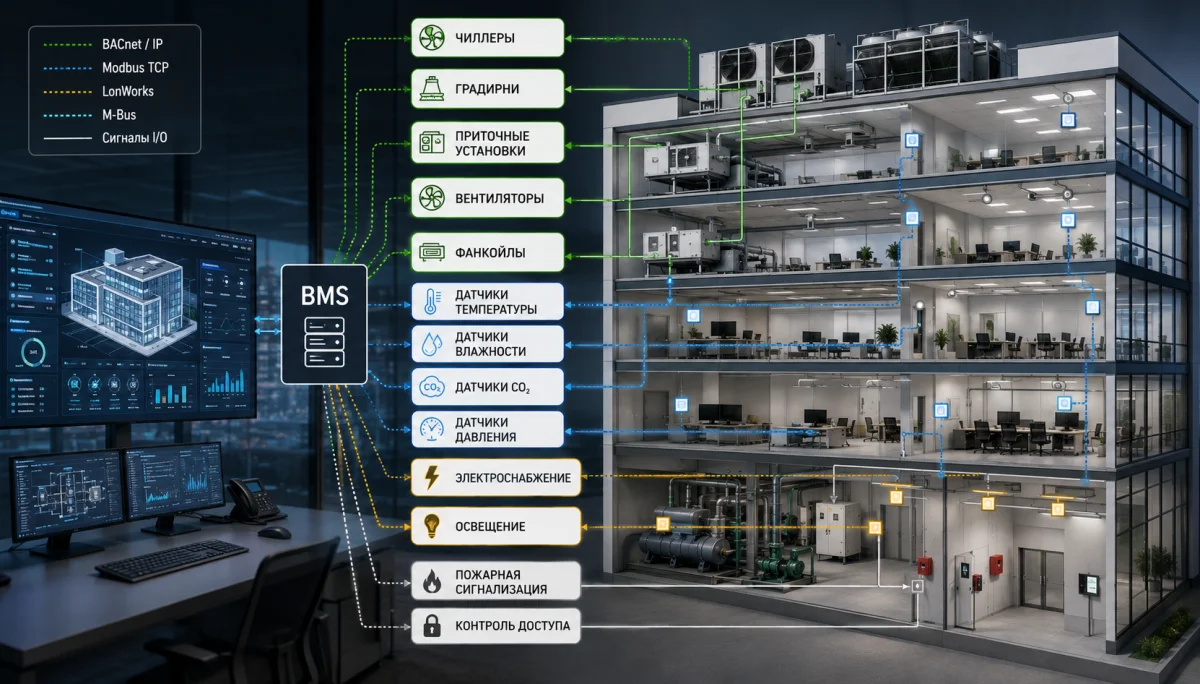
BMS integration can show zone mode, temperatures, faults and outdoor-unit demand. Trend data is useful for confirming whether simultaneous loads occur often enough to justify the heat-recovery arrangement and for improving operating schedules after occupancy.
Conclusion
Two-pipe and three-pipe VRF systems serve different building needs. Two-pipe VRF is simpler, less expensive and suitable for a common operating mode. Three-pipe VRF provides independent heating and cooling and can recover heat between zones. NIKLAND engineers select and design VRF systems according to building architecture, real load profiles, operating schedules and Kazakhstan climate conditions.