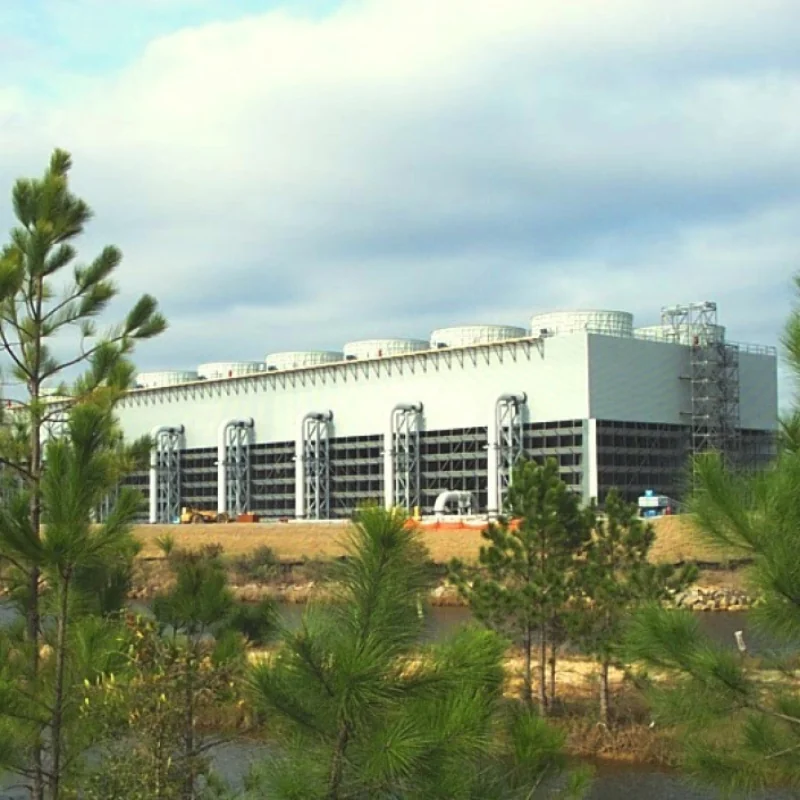
Scale in a cooling tower, metal corrosion and biological fouling are three major causes of poor performance in open recirculating cooling systems. They reduce heat transfer, increase water and energy use, block nozzles, foul heat exchangers and may eventually cause an unplanned shutdown.
These problems rarely occur separately. Mineral deposits create rough surfaces where biofilm can attach. Corrosion products add suspended solids and accelerate fouling. Effective recirculating-water maintenance must therefore control mineral concentration, corrosion activity and microbiological growth together.
Why scale forms
Water evaporates while dissolved salts remain and become concentrated. When solubility limits are exceeded, calcium, magnesium, silica and other compounds precipitate. Formation depends on makeup-water quality, temperature, pH, alkalinity, hardness and cycles of concentration and is fastest on hot heat-exchanger surfaces.
Why scale is harmful
Even a thin layer reduces heat transfer, increases condensing pressure and raises compressor, pump and fan energy. Deposits restrict pipes, block nozzles and cause uneven fill wetting, reducing cooling-tower capacity.
Cooling tower corrosion
Cooling tower corrosion is driven by oxygen, salts, incorrect pH, high conductivity, deposits and dissimilar metals. Basins, pipes, fasteners, heat exchangers and welds may lose thickness, leak and release rust into the circulating water.
Biological fouling
Biological fouling includes bacteria, algae, fungi and slime. Warm water, air, light and nutrients support growth on fill, basins, pipes and heat exchangers. Biofilm reduces heat transfer, traps particles and promotes under-deposit corrosion.
Heat exchanger fouling
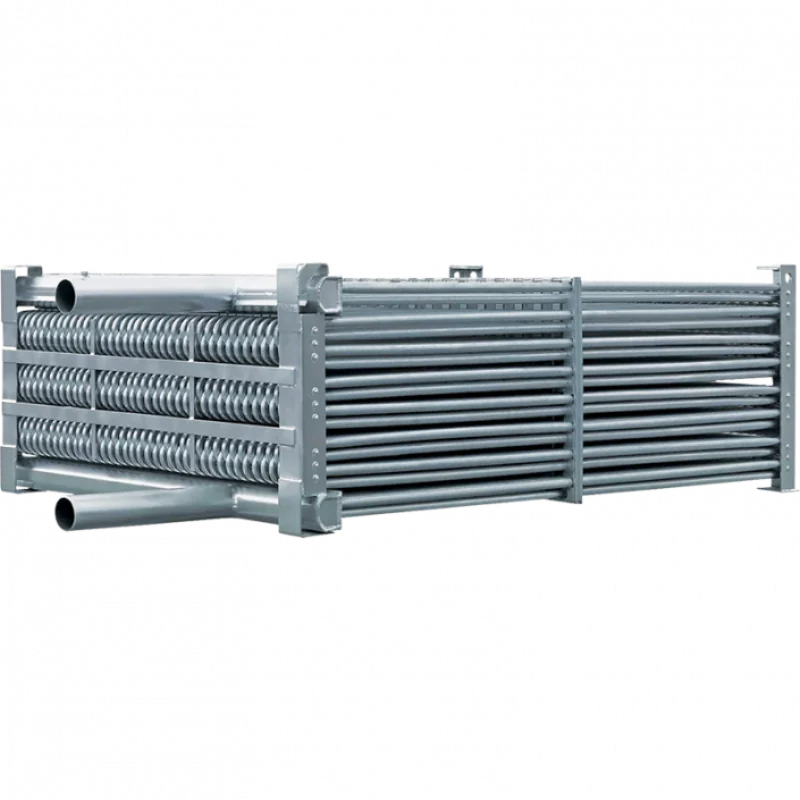
Heat exchanger fouling combines scale, rust, suspended solids and biofilm. Signs include higher condensing temperature and pressure drop, lower water flow and reduced cooling capacity. Current values should be compared with commissioning data and water analysis.
Cycles of concentration and blowdown
Cycles of concentration compare circulating-water mineral content with makeup water. Higher cycles save water but increase scale and corrosion risk. Blowdown removes concentrated water and is controlled by conductivity and analysis. Too little accumulates salts; too much wastes water and chemicals.
Chemical water treatment
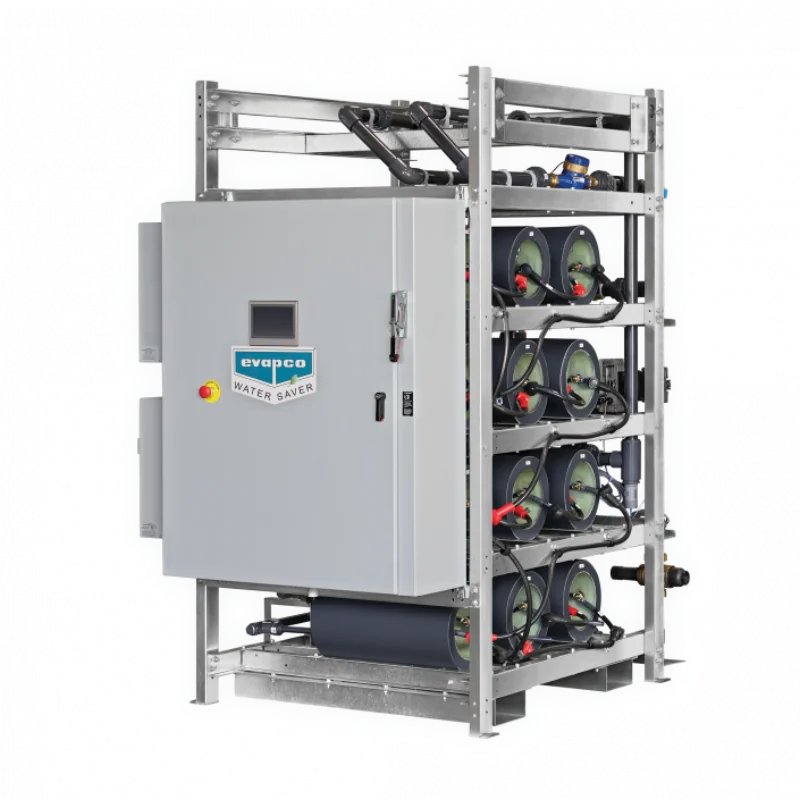
Scale inhibitors limit crystal growth, corrosion inhibitors protect metals and biocides control microorganisms. Product type and dose depend on water chemistry, materials, temperature and concentration ratio. Programs often alternate oxidizing and non-oxidizing biocides and use automatic or verified dosing.
pH and conductivity control
High pH can promote mineral precipitation, while low pH accelerates corrosion. Conductivity supports blowdown control but should be supplemented by analysis of hardness, alkalinity, chlorides, sulfates, iron, silica and microbiological condition.
Cooling tower cleaning
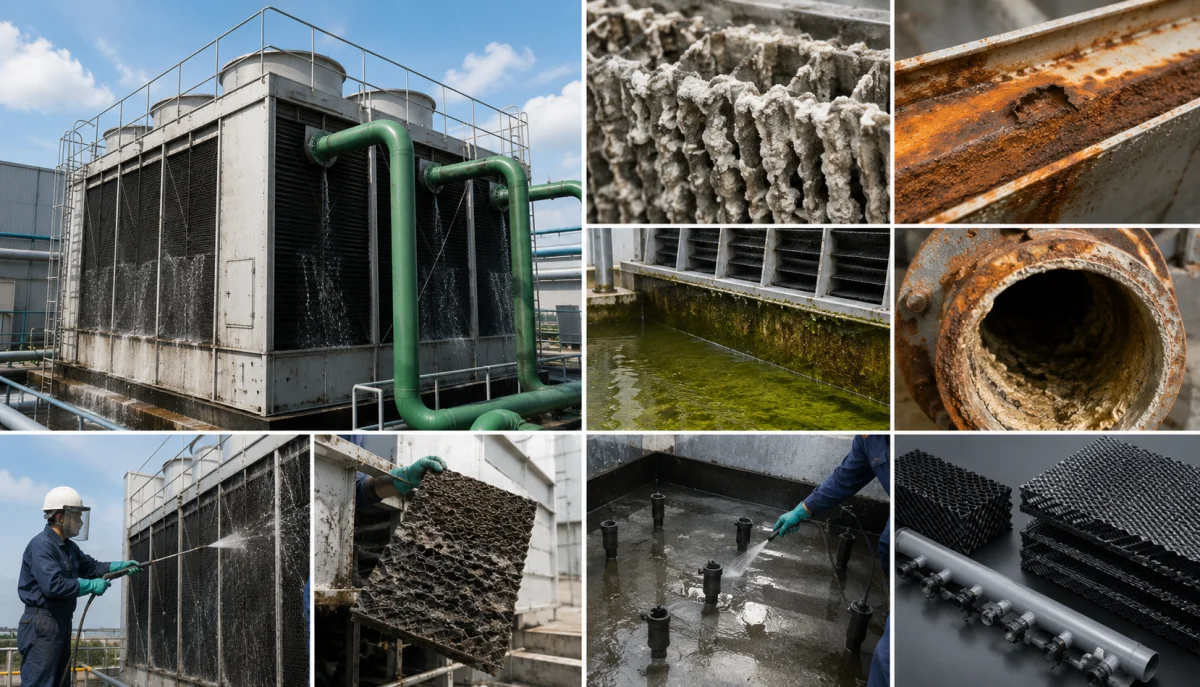
Cooling tower cleaning removes basin sediment and cleans fill, nozzles, drift eliminators, strainers and piping. Soft deposits can be washed or brushed away, while hard scale may require a compatible chemical cleaner. Unsuitable acids can damage metals, coatings and seals.
Biofilm prevention
Biofilm control requires stable biocide dosing, removal of stagnant zones, blowdown and physical cleaning. The program should reflect temperature, organic load and season. After a long shutdown, the tower should be inspected, cleaned and treated before restart.
How to identify the type of deposit
Mineral scale is usually a hard white, gray or yellowish layer that does not wash away easily. Corrosion products are commonly brown, red or dark and may accompany pitting or metal loss. Biofilm is softer, slimy and uneven and may have green or dark coloring.
Visual inspection alone is not enough for chemical selection. Water and deposit samples should be analyzed before cleaning an expensive heat exchanger. An unsuitable product may dissolve one contaminant while attacking metal, coatings or gaskets.
Seasonal operating conditions
During summer, evaporation and heat load are highest, so dissolved solids concentrate more quickly and chemical consumption rises. Dusty weather increases suspended solids and basin sediment, while warm water accelerates microbiological growth.
Spring startup should include basin inspection, nozzle checks, blowdown verification and confirmation of chemical dosing. Before a long winter shutdown, the system should be cleaned and preserved according to the design procedure, with stagnant water and freeze risk eliminated.
A practical corrective sequence
- sample makeup and circulating water;
- identify deposit composition and thickness;
- check blowdown, filtration and chemical-dosing equipment;
- clean the basin, fill, nozzles and heat exchangers;
- correct the chemical program and concentration cycles;
- record new baseline operating values;
- monitor trends through the maintenance log.
This sequence addresses the cause as well as the visible contamination. If the original water-treatment conditions remain unchanged, scale, corrosion products or biofilm will return soon after cleaning.
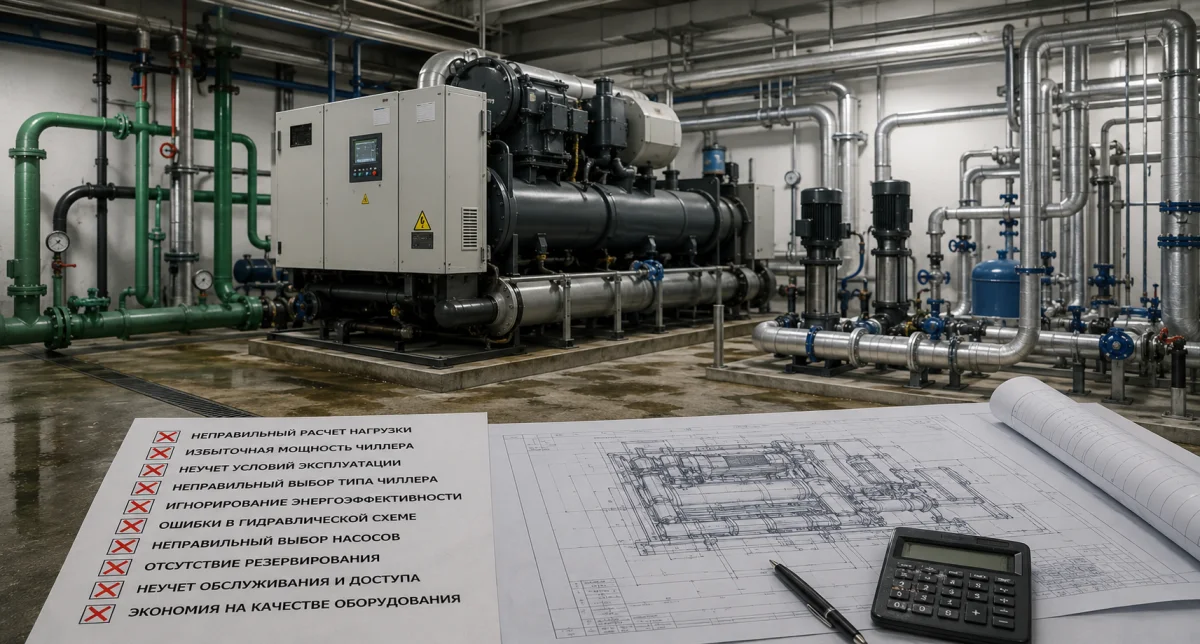
Common operating mistakes
- operating without conductivity and blowdown control;
- dosing chemicals without water analysis;
- using one biocide program indefinitely without review;
- cleaning the basin and fill too rarely;
- ignoring corrosion products in circulating water;
- leaving stagnant water during long shutdowns;
- cleaning heat exchangers without correcting the cause.
Recirculating-water maintenance
Recirculating-water maintenance includes routine checks, laboratory analysis, dosing-pump inspection, sensor calibration and equipment inspection. Records should include makeup, blowdown, pH, conductivity, dosage, filter condition and sediment so deterioration is detected before capacity loss or failure.
Conclusion
Scale in a cooling tower, corrosion and biological fouling require an integrated control program. Periodic cleaning alone is not enough. Correct blowdown, chemical treatment, filtration, monitoring and routine maintenance are all necessary. NIKLAND develops cooling-tower water-treatment and maintenance programs for actual water chemistry, equipment materials, operating conditions and Kazakhstan climate.