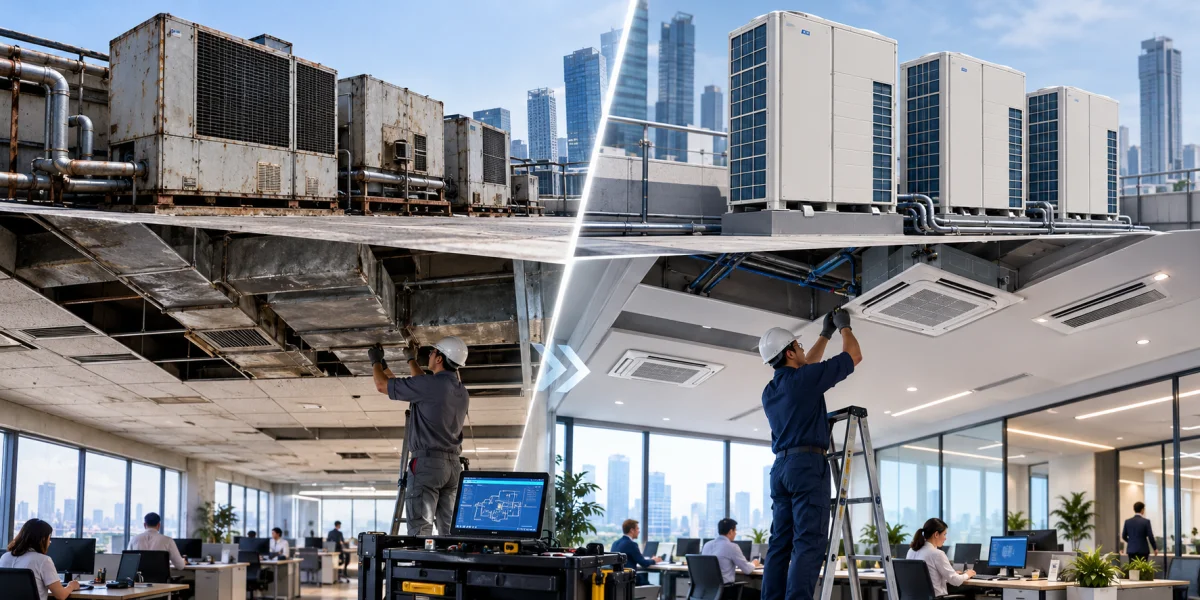
Air conditioning system modernization in an occupied building requires staged work, temporary systems and planned changeovers. Chillers, air-handling units, pumps and controls must be upgraded while the building continues operating.
An old machine should not simply be replaced by a new unit of similar nominal capacity. Layout, occupancy, loads and schedules may have changed, so the complete system must be surveyed and recalculated first.
Surveying the existing system
Engineers record equipment models and condition and measure temperatures, pressures, water and air flow, motor current and filter pressure drop. Pumps, heat exchangers, piping, drainage, valves, ducts, electrical panels and controls are inspected.
The actual installation is compared with design drawings. After years of alterations, routes and connections often differ from the original documents. A safe reconstruction requires a clear understanding of which zones depend on each circuit and what will happen during temporary isolation.
Recalculating current loads
Cooling and heating loads are recalculated before new equipment is selected. Occupancy, lighting, computers, process equipment, outdoor air, glazing and operating hours are included. The old chiller may be oversized, undersized or based on an earlier building use.
Accurate loads support efficient part-load operation and correct selection of modular chillers, variable-speed drives, pump groups and cascade controls.
Staged modernization plan
The work is divided into independent stages, each ending with an operating test. New foundations, routes, electrical power and controls are prepared first. Equipment is then connected one zone or circuit at a time while the old system remains available as backup.
The schedule is coordinated with building operations. Noisy work and short interruptions are planned at night, on weekends or during low occupancy. Each stage includes a maximum permitted outage and a rollback procedure if startup is unsuccessful.
Temporary cooling
Where cooling cannot be interrupted, mobile air conditioners, rental chillers, temporary air-handling units or temporary piping may be used. For server rooms, healthcare spaces and continuous processes, the temporary arrangement must be engineered as a complete system.
Location, electrical power, heat rejection, drainage, hydronic connection and redundancy are defined in advance. Temporary equipment is started and tested before the main plant is isolated.
Replacing an old chiller
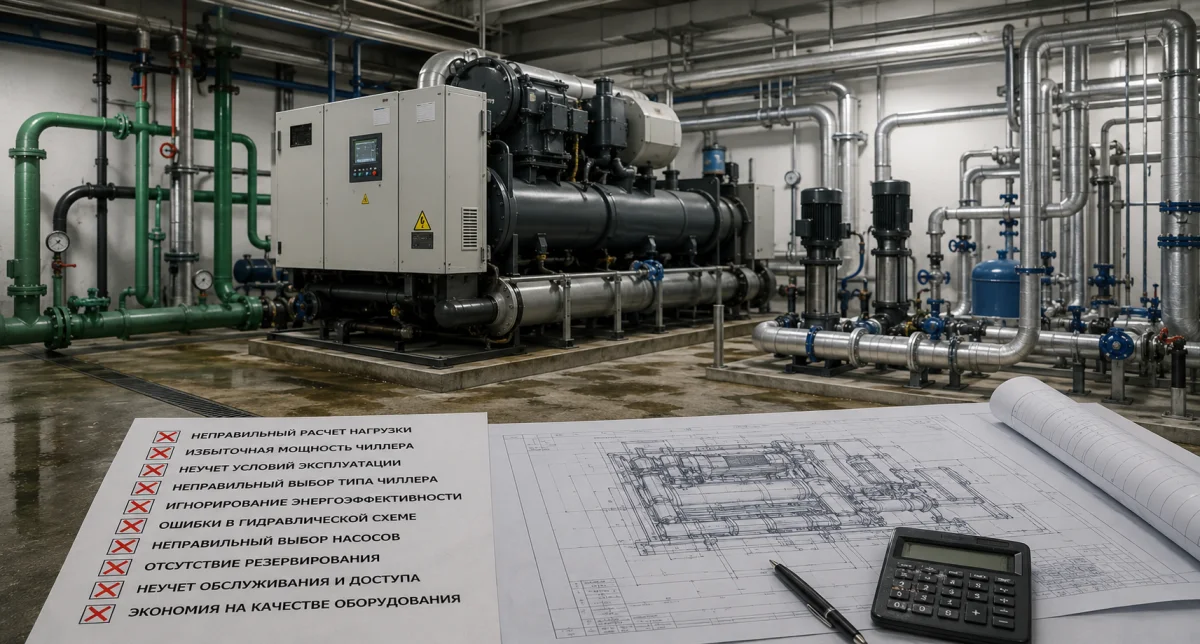
Old chiller replacement includes more than removing one machine and installing another. Pumps, pipe sizes, system water volume, expansion vessels, strainers, valves and fluid quality must be checked. The new chiller may require a different flow rate or minimum water volume.
Where several chillers serve the building, they can be replaced one by one. One unit remains operational while another is connected and commissioned. A single-chiller plant requires temporary cooling or a changeover during the lowest-load season.
Ventilation reconstruction
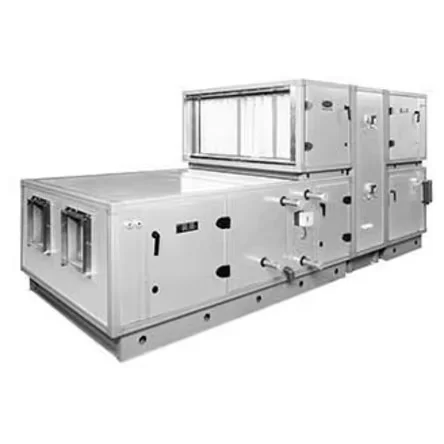
Ventilation reconstruction begins with measurement of actual airflow and building air balance. Replacing an air-handling unit alone may not solve problems if ducts leak, dampers are closed or the network has excessive resistance.
Work is divided by unit, floor or zone. New sections and control panels are assembled in parallel where possible. After changeover, airflow, balancing, heating, cooling, heat recovery and fire-control sequences are tested.
Phased air conditioner replacement
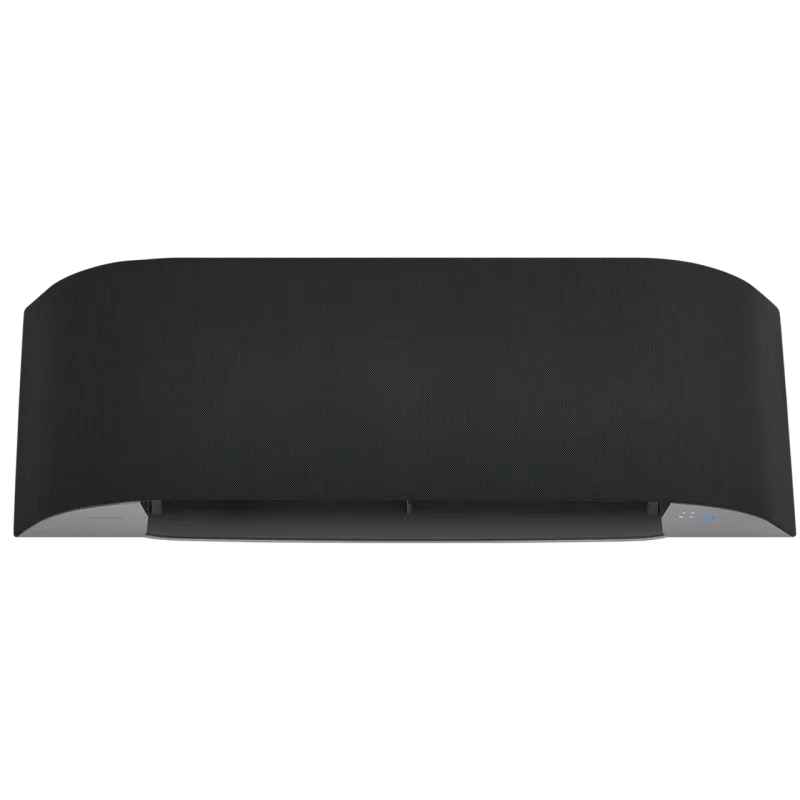
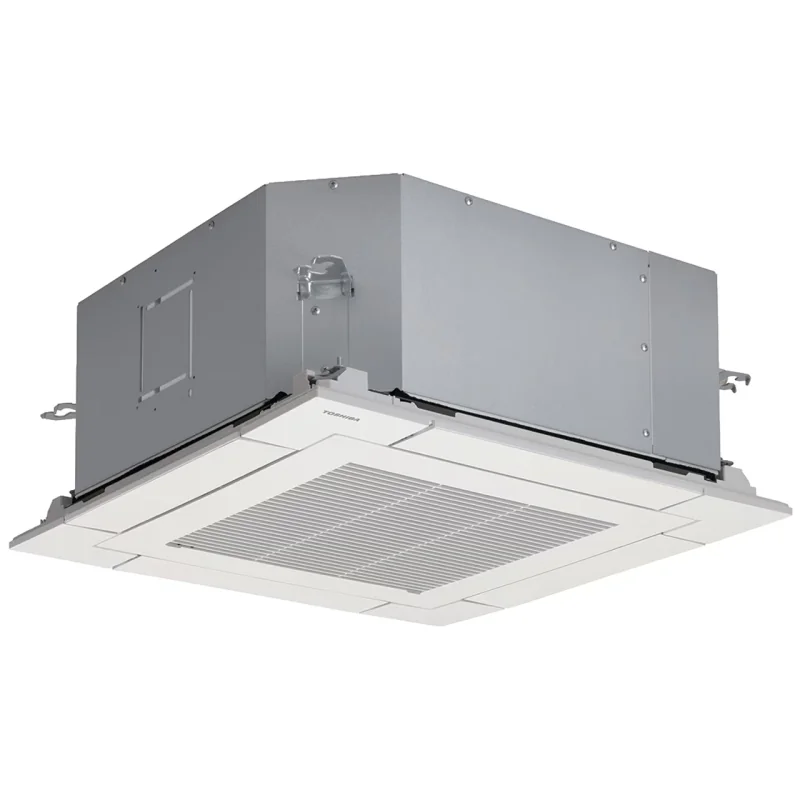
Phased air conditioner replacement suits buildings with many split, VRF or fan-coil systems. Rooms are grouped by floor, tenant or function, and equipment with the highest failure risk or continuous load is replaced first.
Compatibility must be checked carefully. New-generation VRF indoor units may not operate with an existing outdoor unit. Any temporary mixed connection requires confirmation from manufacturer documentation.
Controls modernization
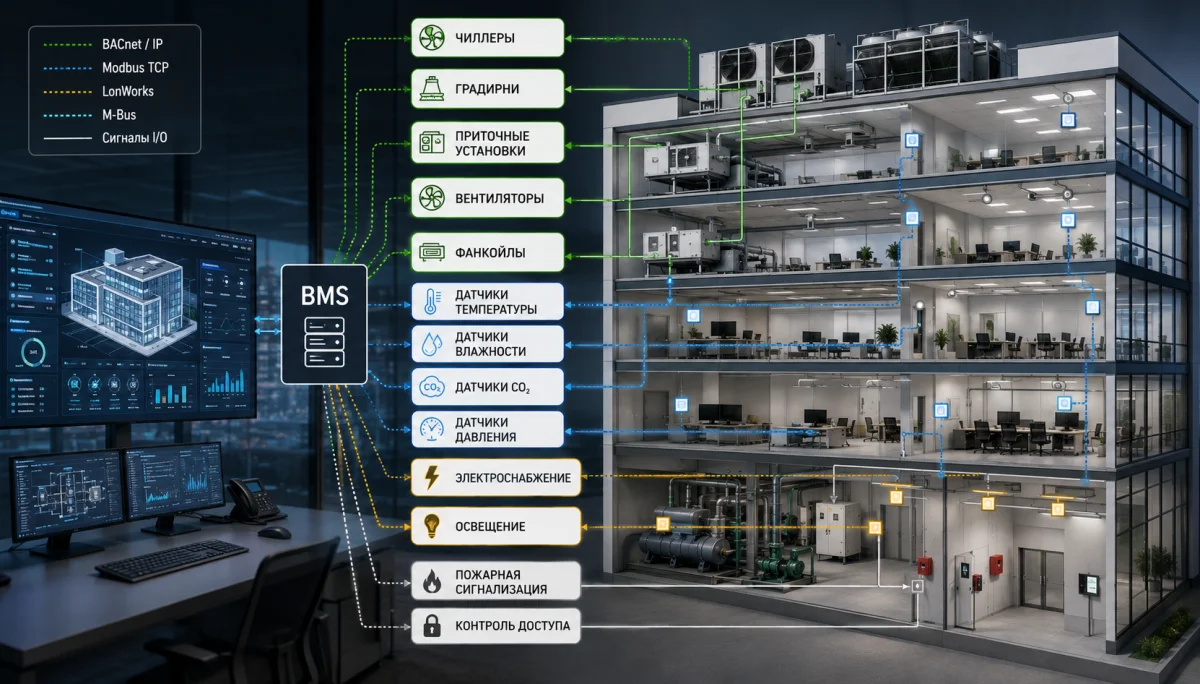
New controls can sequence chillers, pumps, temperature reset, schedules and standby equipment. Sensors and variable-speed drives reduce energy use and help identify abnormal operation before failure.
Migration is staged by installing new panels and communication wiring first, then transferring sensors and actuators. Old and new controllers may temporarily operate together, but responsibility for each function must be clearly separated.
Redundancy and resilience
A continuously occupied building benefits from N+1 capacity or temporary load transfer. Several modular chillers or air-handling units allow one machine to be serviced while the others remain operational.
Critical spaces should have separate circuits. Server rooms, operating theaters, control rooms and continuous processes should not depend entirely on the common system being reconstructed.
Staged commissioning
Each new section is tested before old equipment is removed. Airflow, water flow, temperatures, pressures, electrical current, valves, drainage and controls are measured. The temporary or old backup arrangement is removed only after realistic-load testing.
Results are recorded in commissioning reports. As-built documents must show actual routes, settings, equipment addresses and final operating sequences.
Common mistakes
- replacing equipment without a survey and updated load calculation;
- shutting down the old system before testing temporary equipment;
- connecting a new chiller to a contaminated water circuit;
- having no rollback plan for a failed changeover;
- ignoring compatibility between old and new controls;
- providing inadequate maintenance access;
- replacing the complete system in one stage without backup.
Conclusion
Air conditioning system modernization without shutting down a building is possible with a detailed survey, updated load calculations, temporary cooling and staged circuit changeover. NIKLAND develops chiller replacement, ventilation reconstruction and controls-upgrade projects for continuously operating facilities in Kazakhstan.