
Toshiba ·
VRF system
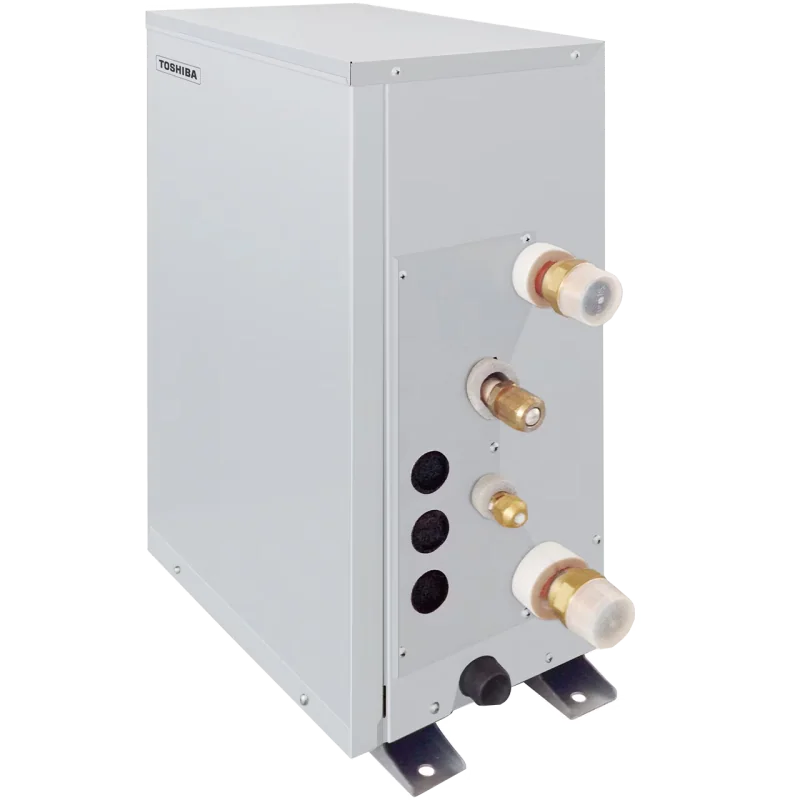
Toshiba R410A MT Hot Water Module MMW-UP_LQ-E
Medium-temperature VRF hot-water module for outlet water temperatures up to 50 °C.
Details →Found: 10
Medium-temperature VRF hot-water module for outlet water temperatures up to 50 °C.
Details →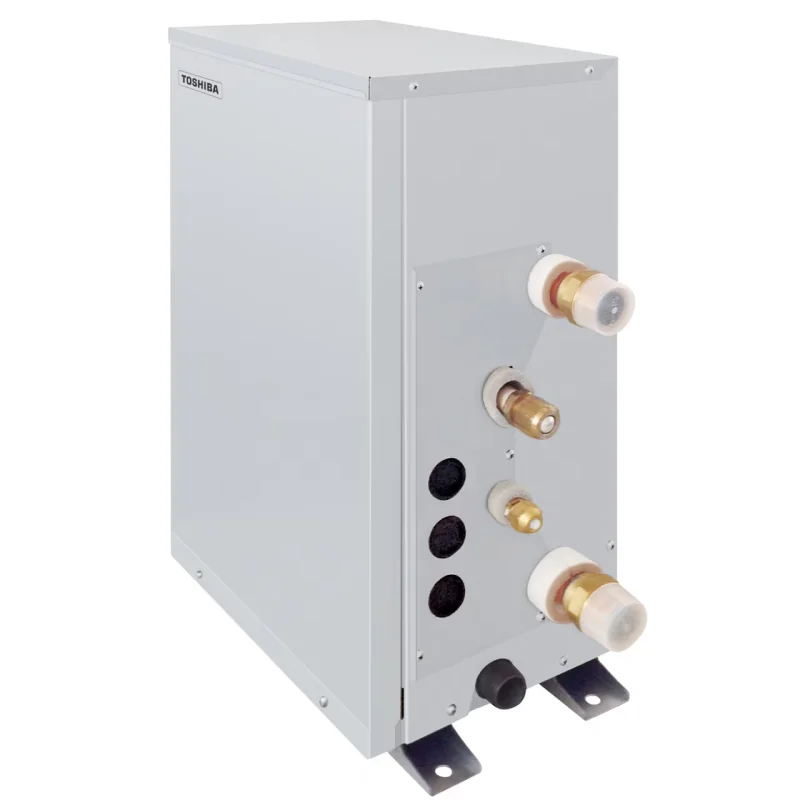
8 or 16 kW hot-water module for water temperatures up to 50 °C in SMMSe and SHRMe systems.
Details →
Compact 4–6 HP R32 VRF heat-pump system for small commercial and high-end residential projects.
Details →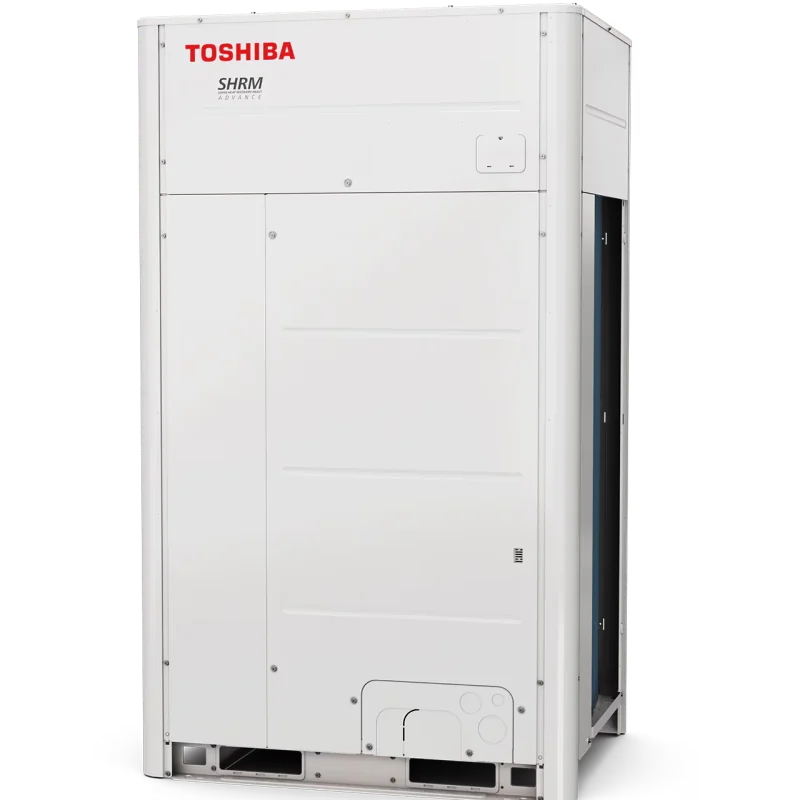
R32 VRF heat-pump and heat-recovery system from 8 to 24 HP.
Details →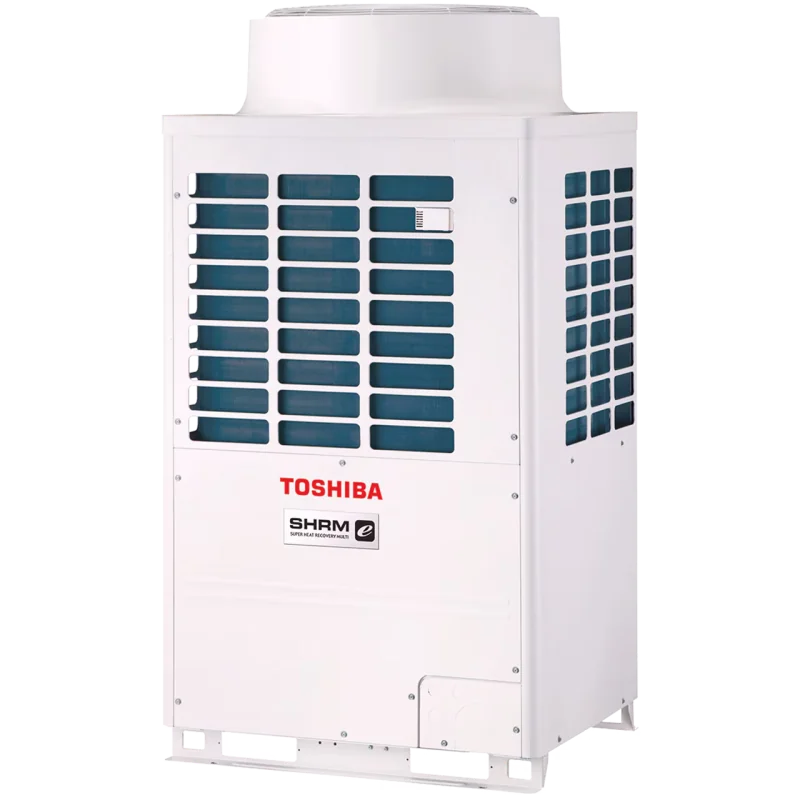
R410A three-pipe VRF system for simultaneous heating and cooling in large buildings.
Details →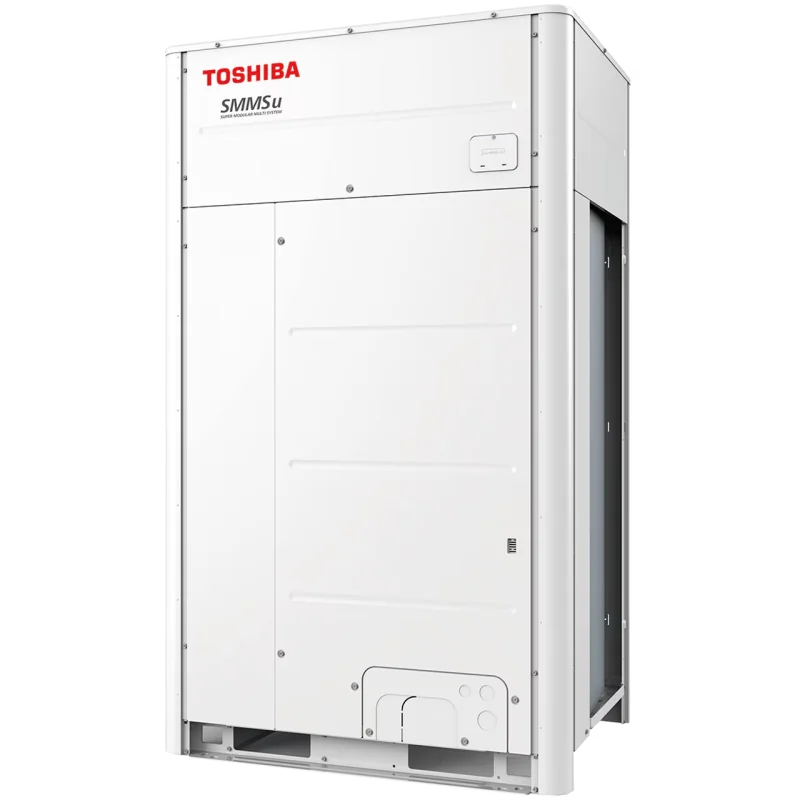
Modular heat-pump VRF system with capacity from 8 to 120 HP.
Details →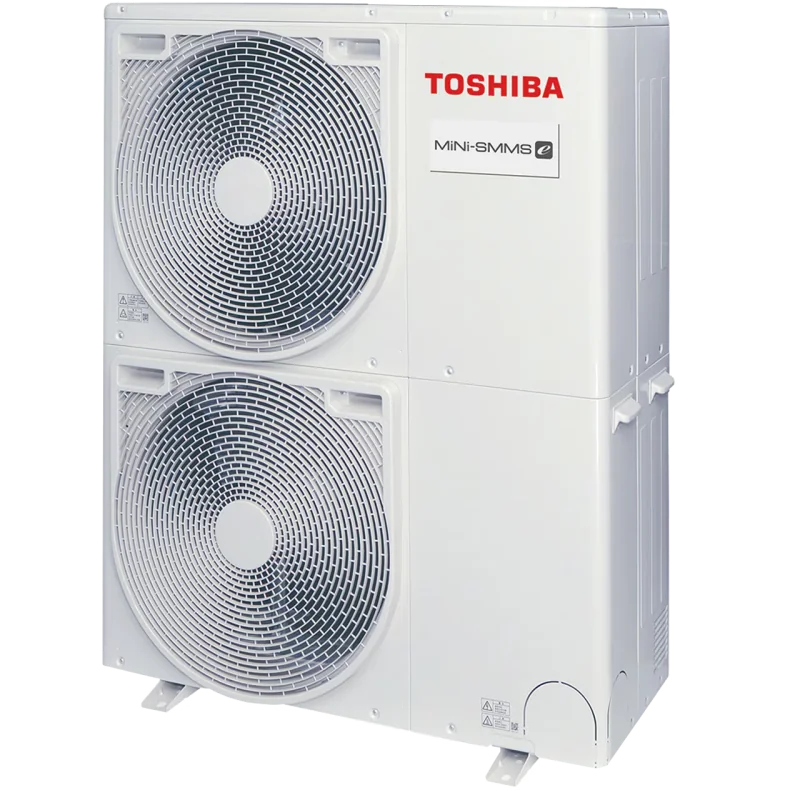
Compact 4–10 HP two-pipe VRF heat-pump system for shops, offices and large apartments.
Details →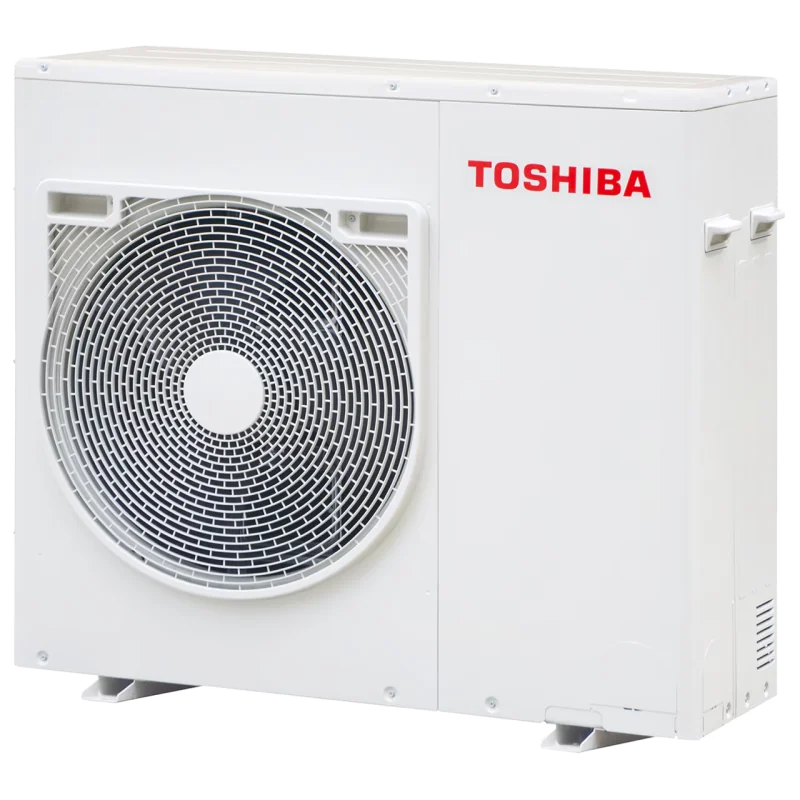
Compact single-fan 4–5 HP VRF heat-pump system for apartments, shops and offices.
Details →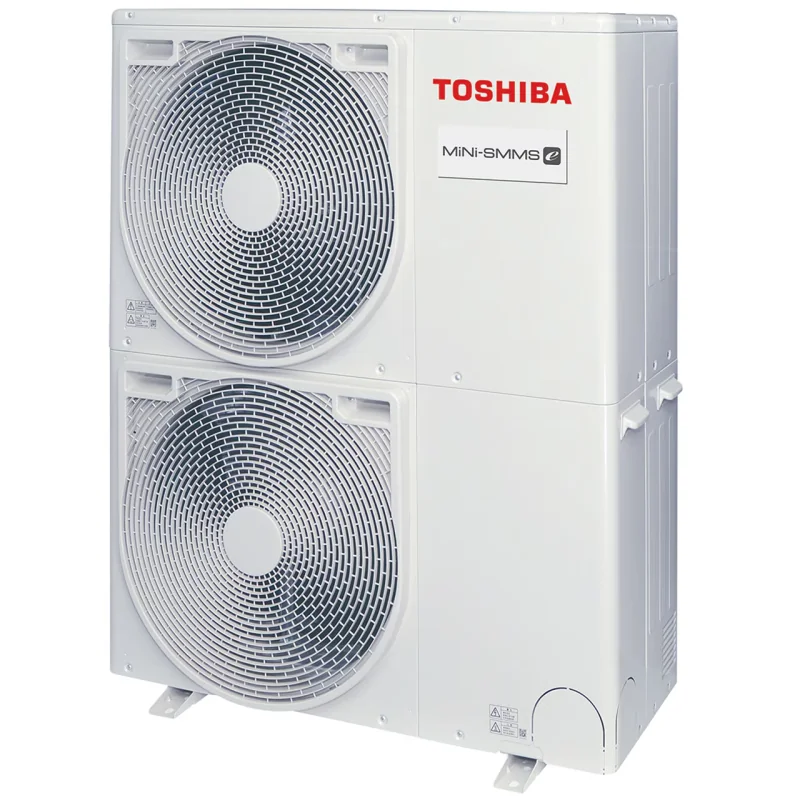
Compact three-phase 12 HP VRF heat-pump system with 33.5 kW capacity.
Details →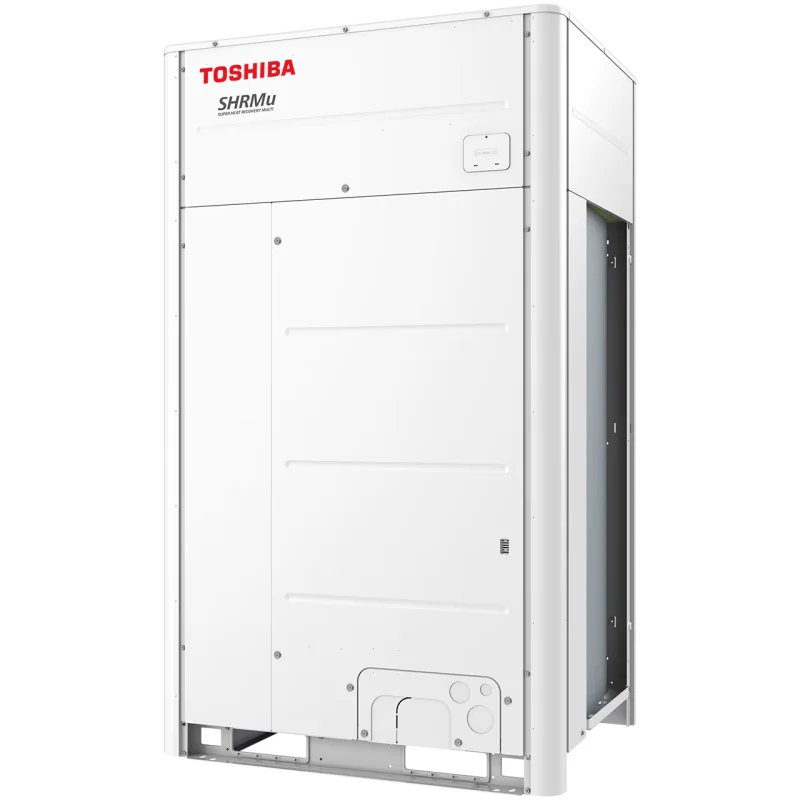
High-efficiency three-pipe heat-recovery VRF system supporting up to 101 indoor units.
Details →NIKLAND supplies and implements VRF systems in Kazakhstan for projects where stable climate control is part of the engineering infrastructure, not just a comfort option. The equipment is selected according to cooling capacity, operating mode, reliability requirements, energy efficiency, available installation space and service access. For residential complexes, the correct selection of HVAC equipment directly affects operating costs, equipment lifetime, indoor comfort and system stability. Our engineers analyze the facility, calculate loads, compare available technical options and prepare a solution that can be integrated into the existing or planned building infrastructure.
Projects for residential complexes require a careful balance between performance, redundancy, automation and future maintenance. NIKLAND works with equipment from Carrier, Toshiba, EVAPCO, VECK and other professional HVAC brands, combining product supply with engineering support, installation supervision and commissioning. When selecting VRF systems, we consider not only the nominal capacity, but also seasonal efficiency, noise level, hydraulic configuration, control logic, BMS integration and the possibility of future expansion. This approach helps avoid oversized systems, unstable operation and excessive energy consumption.
In premium residential complexes, club houses and apartment hotels, comfort and facade appearance are both important. VRF systems allow most of the engineering equipment to be hidden while giving residents room-by-room temperature control. During design, engineers consider equipment location, noise, pipe lengths, condensate removal and future service access. This makes the climate system almost invisible to residents and less problematic for the building management team.
Submit a request — our engineers will contact you within 24 hours and suggest a solution for your facility.